The Art of Saying Less: How Tokyo's Understated Fashion Philosophy Is Winning Over American Closets
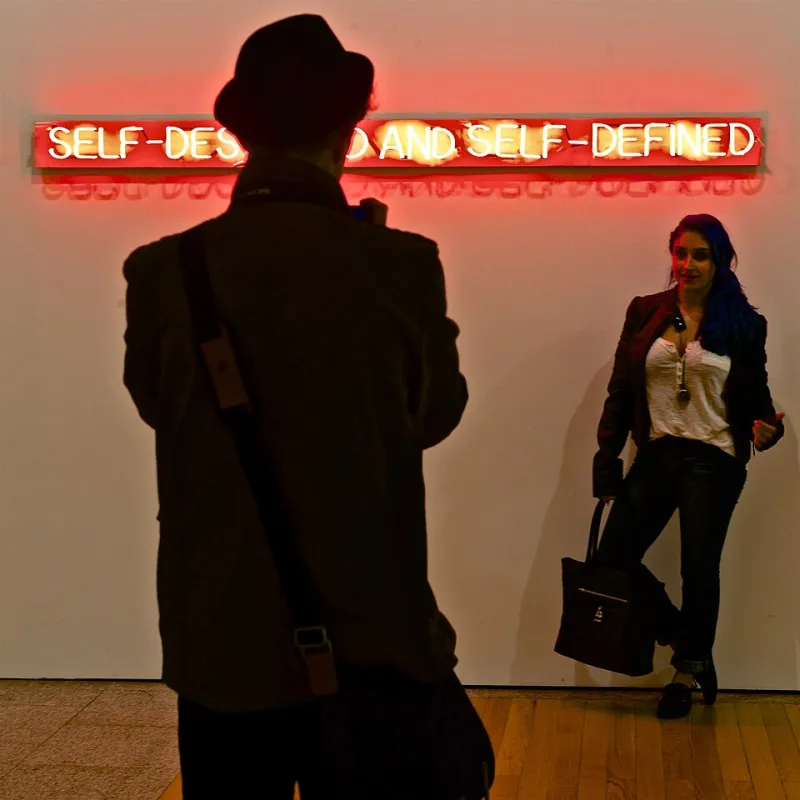
Photo: Pedro Ribeiro Simões from Lisboa, Portugal, CC BY 2.0, via Wikimedia Commons
If you've spent any time scrolling through Tokyo street style content lately, you've probably noticed something: the outfits that stop you mid-scroll aren't the loudest ones. They're the ones where everything just fits. The proportions are considered, the palette is cohesive, and somehow, despite the apparent simplicity, the whole look radiates a kind of effortless authority. There's no giant logo in sight. No obvious flex. Just really, really good taste — and you can feel it through a screen.
Welcome to Tokyo's version of quiet luxury. And unlike the Western iteration of that trend (which, let's be honest, often just means swapping one expensive brand for another slightly more understated expensive brand), the Tokyo approach is genuinely accessible. That's the part that's starting to resonate with American shoppers in a big way.
What "Quiet Luxury" Actually Means in Tokyo
The phrase "quiet luxury" gets thrown around a lot in American fashion media, usually in the context of old-money aesthetics and cashmere everything. But the Tokyo interpretation runs a little deeper than that.
In Japanese culture, there's a concept called wabi-sabi — the beauty found in imperfection and simplicity — and another called ma, which refers to the meaningful use of negative space. Both ideas show up in Tokyo fashion in very practical ways. An outfit isn't considered complete just because every element is present; it's complete when nothing unnecessary remains. Empty space, both literal and figurative, is treated as a design choice rather than an oversight.
This is why a perfectly cut pair of wide-leg trousers and a simple tucked-in blouse can feel like a complete, intentional outfit in Tokyo, while the same combination might feel unfinished to someone raised on American fashion's "more is more" instincts. The difference isn't the pieces — it's the philosophy behind how they're worn.
Why American Shoppers Are Ready for This
Fashion fatigue is real. After years of trend cycles that move at the speed of TikTok, a growing number of American consumers are actively stepping off the conveyor belt. The backlash against fast fashion has been building for a while, but what's newer is the backlash against loud fashion — the exhaustion with pieces that scream for attention and date themselves within a season.
Quiet luxury, in its Tokyo form, offers an appealing alternative. It's not about spending more money; it's about spending more intentionally. It's about choosing pieces that earn their place in your wardrobe through versatility and staying power rather than novelty.
Social media has also played a role here. As algorithm-chasing content becomes more saturated and performative, the aesthetic counterweight — calm, considered, refined — has started to feel genuinely aspirational. The Tokyo approach to dressing, which has always prioritized personal expression over trend performance, slots perfectly into that cultural moment.
The Building Blocks of a Tokyo-Inspired Wardrobe
Here's the practical part, because philosophy is great but you still have to get dressed in the morning. Building a Tokyo-influenced wardrobe doesn't require a complete closet overhaul or a trip to a luxury department store. It requires a framework.
Start with proportion, not price. The single biggest difference between a Tokyo-inspired outfit and a generic one is often fit and proportion. Wide-leg trousers paired with a fitted top, an oversized blazer over slim pants, a cropped jacket with a longer layer underneath — these combinations create visual interest without relying on pattern or branding. Look for pieces where the silhouette itself does the work.
Build a restrained color palette. Tokyo street style isn't exclusively monochromatic, but it tends to operate within a disciplined range. Neutrals — ivory, camel, slate, stone, charcoal — form the foundation. When color appears, it's often a single, considered accent rather than a full commitment. A deep forest green coat over a head-to-toe neutral outfit. A single terracotta accessory in a sea of beige. The contrast is intentional and controlled.
Invest in texture over pattern. This is where affordable pieces can really punch above their weight. A simple ribbed knit in a neutral tone reads as far more expensive than its price tag suggests. Linen, structured cotton, matte jersey — these fabrics have a natural quietness that aligns perfectly with the aesthetic. Busy prints, on the other hand, tend to work against the understated goal.
Treat accessories as punctuation, not decoration. In Tokyo fashion, accessories aren't an afterthought or a way to add more — they're the period at the end of a sentence. A single interesting ring. A structured bag in a neutral tone. Clean, minimal footwear. The rule of thumb: if you're wearing more than two or three accessories, consider removing one.
Affordable Pieces That Nail the Vibe
The good news is that Tokyo's quiet luxury aesthetic is genuinely achievable without a designer budget. The principles are about curation and proportion, not price tags.
A well-cut pair of wide-leg trousers from a mid-range retailer, worn with a simple tucked-in tank and a structured blazer, is a completely credible Tokyo-inspired outfit. Monochromatic layering — different textures of the same neutral — creates depth without complexity. A quality-looking tote bag (structured, no visible branding, clean lines) elevates almost any look instantly.
The key is shopping with intention rather than impulse. Before buying something, ask the Tokyo question: does this piece work with at least three other things I already own? Does it have a clear, defined silhouette? Will it look just as relevant next year? If the answer to all three is yes, it earns its place.
The Confidence Factor
There's something worth naming here: dressing quietly takes a certain kind of confidence. In a culture that rewards visibility and volume, choosing restraint can feel like a risk. What if people don't notice?
But that's precisely the point. Tokyo's fashion philosophy operates on the assumption that the right people — the ones whose attention is actually worth having — will notice the details. The perfect hem length. The considered layering. The way everything moves together. Quiet dressing isn't invisible dressing. It's dressing for the people who look closely.
And increasingly, those people are everywhere — including right here in the US. The shift is already happening. Tokyo's way of getting dressed, refined over decades of thoughtful aesthetic culture, is finding its audience on this side of the Pacific. The question is just whether you want to be part of it.
Spoiler: your closet is already closer than you think.