No White Cast, No Problem: How Japanese Sunscreen Is Quietly Fixing Everything Americans Hate About SPF
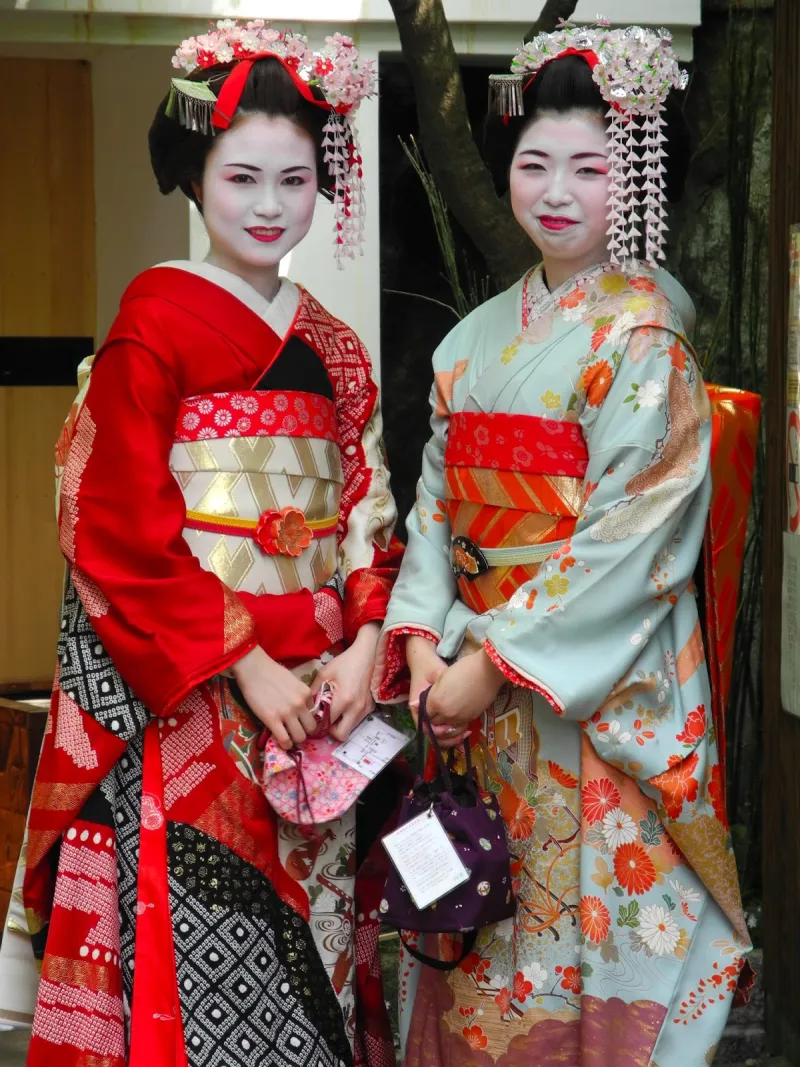
Photo: Japanese sunscreen lightweight texture woman applying SPF skincare routine, via 1.bp.blogspot.com
The SPF Struggle Is Real
Let's be honest. For a lot of Americans, daily sunscreen has always felt like a punishment. You know you're supposed to wear it. Dermatologists have been telling you since the '90s. But the second you smooth on that thick, chalky lotion and catch your reflection looking like you've been dusted with flour, the motivation kind of evaporates.
This isn't a discipline problem. It's a formulation problem. And Tokyo figured that out a long time ago.
In Japan, sunscreen isn't a seasonal afterthought you grab before a beach trip. It's a non-negotiable step in a daily routine — as automatic as brushing your teeth. And because Japanese consumers have demanded that their SPF products actually feel good to wear, the beauty industry there had no choice but to innovate. Hard. The result? A generation of UV filters and delivery systems that are so far ahead of what most Americans have been squeezing out of a tube that it's almost a little embarrassing.
Why Japanese Formulas Hit Different
Here's where things get genuinely interesting. The US and Japan don't operate under the same regulatory framework when it comes to sunscreen ingredients. In the US, sunscreen is classified as an over-the-counter drug by the FDA, which means new UV filters go through a slow, expensive approval process. Japan, like much of Europe and Asia, moves faster — allowing cosmetic chemists to work with a broader palette of UV-blocking agents, including next-generation filters like Tinosorb S and Uvinul A Plus that simply aren't available in American-made formulas yet.
Those advanced filters do something that older American sunscreen ingredients struggle with: they provide broad-spectrum protection while staying photostable (meaning they don't break down as quickly in sunlight), and they're engineered to sit lightly on skin rather than occlud pores or leave a residue. That's why a Japanese SPF 50+ sunscreen can feel like a barely-there serum, while a comparable American formula might feel like you've applied a thin layer of spackling compound.
Beyond the active ingredients, Japanese formulators obsess over texture in a way that's deeply cultural. In Tokyo's beauty world, the concept of "bare skin" — suhadaka — is aspirational. The goal isn't a full-coverage look. It's skin that looks like your skin, just better. A sunscreen that sits visibly on the face, creates shine, or leaves any kind of cast is simply not acceptable in that context. So the cosmetic chemists had to get creative, layering in silicone derivatives, skin-identical emollients, and light-diffusing particles to create finishes that genuinely disappear into the skin.
The White Cast Problem (And Why It Matters More Than You Think)
The white cast issue deserves its own conversation, because it's not just an aesthetic complaint — it's a real barrier to daily sun protection for millions of people, particularly those with deeper skin tones. Zinc oxide and titanium dioxide, the two active ingredients in most American mineral sunscreens, are notoriously difficult to formulate without that telltale ashy finish. For people with medium to deep brown skin, the white cast isn't just unflattering. It's a reason to skip sunscreen altogether, which carries genuine health consequences.
Japanese formulators have approached this problem from multiple angles. Many Japanese sunscreens use chemical filters instead of, or in combination with, physical blockers — which sidesteps the white cast issue entirely. Others have developed micro-sized zinc oxide particles that disperse more evenly and leave far less visible residue. And some of the most innovative Japanese SPF products use hybrid technologies that blur the line between skincare and makeup, incorporating skin-tone-adapting pigments or translucent powders that actually correct for uneven tone as they protect.
Brands like Biore UV, Anessa, and Skin Aqua have been selling these kinds of products in Japan for years. The fact that they're now more widely available in the US — through specialty retailers, K-beauty and J-beauty e-tailers, and mainstream platforms — is genuinely changing what American consumers expect from their sunscreen.
What to Actually Look for on the Label
So you're ready to make the switch. Here's what to keep in mind when you're shopping for a Japanese-formulated SPF:
PA Rating System: Japanese sunscreens use a dual rating system. SPF measures UVB protection (the burning rays). PA+ through PA++++ measures UVA protection (the aging, deeper-penetrating rays). The more plus signs, the better. Look for PA+++ or PA++++ for meaningful daily protection.
Texture Descriptors: Japanese sunscreen packaging often specifies the finish in a way American labels don't. Terms like "milky lotion," "essence," "gel," or "watery fluid" actually mean something here. A gel or watery essence formula will feel the most invisible on skin. A milky lotion tends to add a touch of hydration. Know what you're reaching for before you buy.
Reapplication Reality: Even the most advanced sunscreen needs to be reapplied every two hours if you're spending time outdoors. Japan has addressed this with innovative powder sunscreens and SPF-infused setting sprays that let you reapply over makeup without ruining your look — something the American market is only just starting to catch up on.
The Bigger Shift Happening in American Skincare
What's happening with Japanese sunscreen is part of a larger cultural moment. American consumers are increasingly skeptical of the idea that "good enough" is actually good enough. The skincare boom of the last decade trained people to read ingredient lists, compare formulas, and demand results — and now that same critical eye is turning toward SPF.
When someone tries a Japanese sunscreen for the first time and realizes that daily UV protection doesn't have to feel like a chore, it's hard to go back. The ask is simple: protect my skin, don't make me look weird, and don't feel disgusting by noon. Japanese beauty has been delivering on all three for years. America is just now showing up to the party.
And honestly? Better late than never.