The 30-Piece Tokyo Wardrobe: A No-Stress Formula for Dressing Well Every Single Day
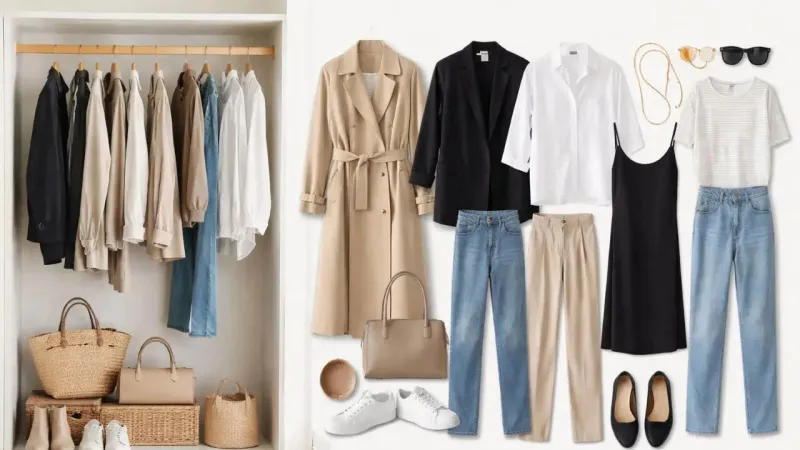
Photo: minimalist Tokyo fashion capsule wardrobe neutral clothing organized closet, via img-s-msn-com.akamaized.net
Why Your Closet Is Full and You Have Nothing to Wear
If you've ever stood in front of a packed closet and still felt completely stuck, you're not alone. The American approach to building a wardrobe has historically been more is more — sales, impulse buys, seasonal trend pieces that feel exciting in March and baffling by June. The result is a lot of stuff that doesn't work together, doesn't fit quite right, and slowly migrates to the back of the rack.
Tokyo has a different philosophy. Not a rigid one — Tokyo street style is too creative and too playful for anything rigid — but a thoughtful one. The idea is that a wardrobe should function like a well-edited collection: every piece earns its spot, everything talks to everything else, and getting dressed in the morning is satisfying rather than stressful.
That's the spirit behind the Tokyo capsule wardrobe. And with 30 pieces, you have more than enough to work with.
The Concept of Ma: Why Empty Space Is the Point
Before we get into the actual pieces, it helps to understand the Japanese aesthetic principle of ma — roughly translated as "negative space" or the meaningful pause between things. In architecture, it's the empty room that makes the filled one feel intentional. In music, it's the silence that gives the notes weight. In a wardrobe, it's the breathing room between hangers that lets you actually see what you own.
When every inch of your closet is packed, nothing stands out. You can't see what you have, so you keep buying more, which makes the problem worse. Editing down to 30 pieces isn't about deprivation. It's about clarity. When you open your closet and can see every item, choosing becomes easy — even kind of enjoyable.
The goal here isn't minimalism as an aesthetic. It's minimalism as a function.
Building Your Base: The 12 Non-Negotiables
A Tokyo-inspired capsule starts with a neutral foundation. Not boring — neutral. Think bone white, warm ivory, soft camel, charcoal grey, and a deep navy that works harder than black in most lighting situations. These 12 pieces form the backbone of the whole wardrobe:
- 2 quality tees in white and a warm neutral (look for substantial cotton with a relaxed but not sloppy fit)
- 1 crisp button-down in white or pale blue — this is your Swiss Army knife piece
- 1 fine-knit turtleneck in cream or grey (layering anchor for fall and winter)
- 1 well-cut blazer in a neutral — structured enough for a meeting, relaxed enough for dinner
- 1 pair of straight-leg trousers in a neutral that isn't black (camel, stone, or charcoal read more interesting)
- 1 pair of dark-wash straight jeans — not skinny, not wide, just straight
- 1 midi skirt in a solid or very subtle texture
- 1 trench coat or longline coat — this is worth spending real money on
- 1 relaxed pullover sweater in a mid-weight knit
- 1 pair of tailored shorts or cropped wide-leg pants for warmer months
- 1 simple slip dress or sheath dress that can be layered or worn alone
Notice what's missing from this list: graphic tees, statement prints, highly seasonal trend pieces. Those aren't banned — they just live in the next tier.
The Middle Layer: 10 Pieces With Personality
This is where your wardrobe gets interesting. Tokyo style is not flat or colorless — it's just selective about where the interest lives. These 10 pieces are where you can introduce texture, a pop of color, or a silhouette that feels a little more specific to your personal taste:
- 2 layering pieces with texture — a boucle cardigan, a ribbed vest, a sheer organza top, or an oversized denim jacket
- 1 statement outer layer — a cocoon coat, a quilted jacket, or a patterned overshirt that becomes the focal point of any outfit
- 1 pair of wide-leg or pleated trousers in a slightly bolder tone (rust, deep olive, dusty burgundy)
- 1 printed or textured skirt — a subtle plaid, a tonal floral, or a pleated satin midi
- 2 knitwear pieces — a longline cardigan and a cropped or fitted sweater in complementary tones
- 1 utility piece — a cargo pant, a utilitarian vest, or a workwear-inspired jacket
- 2 versatile dresses — one casual enough for weekends, one polished enough for work or an evening out
The Final 8: Shoes, Bags, and the Finishing Details
Accessories count. In a 30-piece wardrobe, every item pulls weight:
- 3 pairs of shoes: a clean white or minimalist sneaker, a low-heeled loafer or mule, and one elevated option (a simple block-heel boot or a sleek sandal)
- 2 bags: a structured tote that fits a laptop and a smaller crossbody or clutch for evenings
- 1 belt in a neutral leather tone
- 2 scarves or wraps: one lightweight (linen or silk), one heavier (wool or cashmere-blend) — both in colors that work across your whole wardrobe
Styling Formulas That Actually Work
Having the pieces is one thing. Knowing how to combine them is the real skill. A few go-to formulas:
Office Monday: Straight-leg trousers + fine-knit turtleneck + blazer + loafers. Clean, put-together, takes five minutes.
Weekend Errand Run: Wide-leg pants + relaxed tee + longline cardigan + sneakers. Comfortable but not sloppy.
Dinner Out: Midi skirt + fitted knit top + trench coat + block-heel boot. Effortlessly dressed up.
Transitional Season Layering: Slip dress over a turtleneck + oversized denim jacket + loafers. This is peak Tokyo energy — unexpected but totally logical.
The Maintenance Mindset
A capsule wardrobe isn't a one-time project. It's a practice. The Tokyo approach treats clothing as something to care for and keep, not cycle through. Invest in a good steamer. Learn basic repairs. When something wears out, replace it thoughtfully rather than grabbing the first similar thing on sale.
And when you're tempted to add a 31st piece — ask yourself whether it genuinely works with at least five things you already own. If the answer is no, it's not a wardrobe piece. It's a costume.
That single question will save you more closet chaos than any organizational system ever could.