Real Glow vs. Reel Glow: What Tokyo Beauty Actually Means by Dewy Skin
Scroll through your Instagram or TikTok for five minutes and you'll find it everywhere: that blinding, almost-wet skin finish that beauty influencers swear is the pinnacle of healthy-looking skin. Glossy foreheads, highlighted cheekbones, a kind of full-face shimmer that photographs beautifully under ring lights. It looks incredible on screen. In person? It often reads as greasy, overdone, or just... a lot.
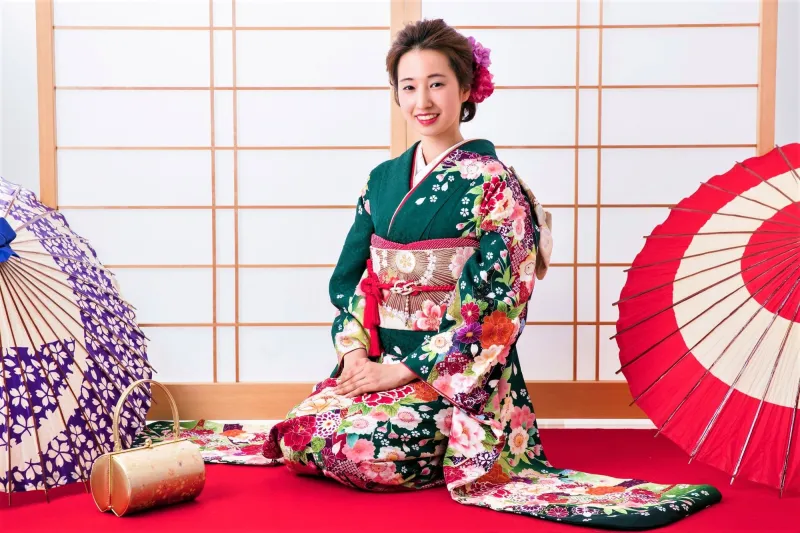
Then there's the kind of skin you notice on someone walking through Harajuku or sitting across from you in a Shibuya café — soft, luminous, almost impossibly even. No obvious shimmer. No dramatic highlight. Just skin that looks genuinely well. That's the Tokyo version of dewy, and the difference between the two is worth understanding if you're serious about your skincare.
The Filter Problem Nobody Talks About
Here's the uncomfortable truth: a lot of the "dewy skin" content circulating online was designed to look good through a lens, not in a room. Heavy silicone-based primers, strobing products, and glassy setting sprays are all engineered to catch light in very specific ways — ways that a camera sensor loves but that real-world lighting doesn't always flatter.
When you chase that look with the same products, you're essentially dressing your face for a photoshoot that's never happening. The result tends to be either patchy (because the shimmer settles unevenly) or flat-out oily-looking by noon. Neither is what anyone actually wants.
Tokyo beauty culture doesn't really engage with this. The goal has never been to photograph well under artificial light. The goal is skin that looks and feels healthy — in sunlight, under fluorescent office lighting, at dinner, everywhere.
What "Mochi Hada" Actually Means
The Japanese concept that most closely maps to what Westerners call dewy skin is mochi hada — literally "rice cake skin." Mochi, if you've ever had it, is soft, slightly plump, and has a gentle bounce to it. It's not shiny. It's not matte. It has a kind of quiet elasticity that's hard to fake.
Achieving mochi hada isn't about applying the right product on top of your skin. It's about changing the condition of your skin so that it produces that quality on its own. That's a fundamentally different project than layering on a glowy foundation.
The distinction matters because it reframes the entire routine. You're not covering skin — you're cultivating it.
Hydration That Goes Deep, Not Wide
The cornerstone of Tokyo's approach is layered hydration, and it works differently than the thick moisturizer approach most Americans default to. Rather than sealing hydration into the skin with one heavy cream, Japanese routines tend to build moisture in multiple thin layers — starting with a hydrating toner or lotion (which in Japanese beauty means a watery, skin-prep step, not an astringent), followed by an essence, and then a lighter moisturizer on top.
Each layer has a job. The toner softens and preps. The essence penetrates and plumps. The moisturizer seals without suffocating. The result is skin that holds water at multiple depths, which is what creates that soft, dimensional look — not a surface shimmer, but an actual fullness coming from within.
Look for ingredients like hyaluronic acid in multiple molecular weights (so it hydrates at different skin levels), ceramides to reinforce the barrier, and fermented ingredients like galactomyces or bifida ferment lysate, which are staples in Japanese formulations and work to improve skin texture over time.
The Barrier-First Mindset
One thing that consistently separates Japanese skincare philosophy from the American approach is the emphasis on barrier health. A compromised skin barrier — one that's been stripped by harsh cleansers, over-exfoliated, or irritated by too many active ingredients at once — cannot produce healthy radiance. It just can't. What it produces instead is redness, sensitivity, uneven texture, and that tight, uncomfortable feeling that too many people have normalized as "clean."
Tokyo beauty culture is deeply skeptical of anything that disrupts the barrier unnecessarily. Double cleansing, for example, isn't about stripping skin twice — it's actually gentler than one harsh cleanser, because the first cleanse (an oil or balm) dissolves makeup and SPF without any friction, and the second cleanse (a mild foam or gel) just refreshes. The skin is never squeaky clean. Squeaky isn't the goal.
When your barrier is intact, your skin naturally retains more moisture. And moisture retention is exactly what creates that soft, plump, light-diffusing quality that looks luminous without looking shiny.
Where Makeup Fits In (Hint: It's a Supporting Role)
This doesn't mean Tokyo beauty is anti-makeup. It just means makeup is positioned differently. Rather than using foundation to create the illusion of good skin, the idea is to use skincare to create actual good skin — and then let makeup do very little.
A light-coverage cushion foundation or a tinted sunscreen applied with fingertips, a cream blush pressed into the cheeks, maybe a bit of lip tint. That's often the full routine. The skin underneath does the heavy lifting, so the makeup doesn't have to.
This is also why Japanese skin-finish products tend to prioritize skin-like textures — foundations that move like skin, cushions that blur without masking, setting mists that refresh without adding shine. The point is always to enhance what's already there, not to construct something new.
Shifting Your Own Routine Toward the Tokyo Approach
You don't need to overhaul everything overnight. A few targeted shifts can start moving your skin in the right direction:
Swap your toner for a hydrating essence-toner. If your current toner has alcohol high on the ingredient list, it's likely working against your barrier. Look for a Japanese-style lotion with ingredients like hatomugi (Job's tears), sake extract, or multiple forms of hyaluronic acid.
Add one fermented ingredient. Galactomyces serums — popularized by Japanese and Korean brands — are genuinely effective at improving skin texture and evenness over time. They're not dramatic or fast, but give them a few weeks and the difference in your skin's baseline quality becomes noticeable.
Give your skin a break from actives. If you're currently using retinol, acids, and vitamin C simultaneously, consider cycling them. Over-actived skin can't hold moisture well, which means no amount of dewy-skin product will give you what you're after.
Let your sunscreen do double duty. Japanese SPF formulas are famously skin-friendly — lightweight, often hydrating, and genuinely invisible. Using a good Japanese sunscreen as your final morning step adds protection and a subtle luminosity that no highlight product can replicate.
The Glow That Doesn't Wash Off
Here's the thing about Instagram dewy skin: it has an expiration time. By hour three, the highlight has migrated, the gloss has settled into pores, and the whole effect has gone sideways. The Tokyo approach doesn't expire. Skin that's genuinely well-hydrated and barrier-healthy looks good when you wake up, looks good at your desk at 3pm, and looks good at dinner without a touch-up.
That's not a filter. That's just skin doing what it's supposed to do when you take care of it properly. And honestly? That's a lot more interesting than anything a ring light can manufacture.