The Quiet Scent Revolution: What Tokyo's Fragrance Culture Can Teach Americans About Smelling Better by Wearing Less
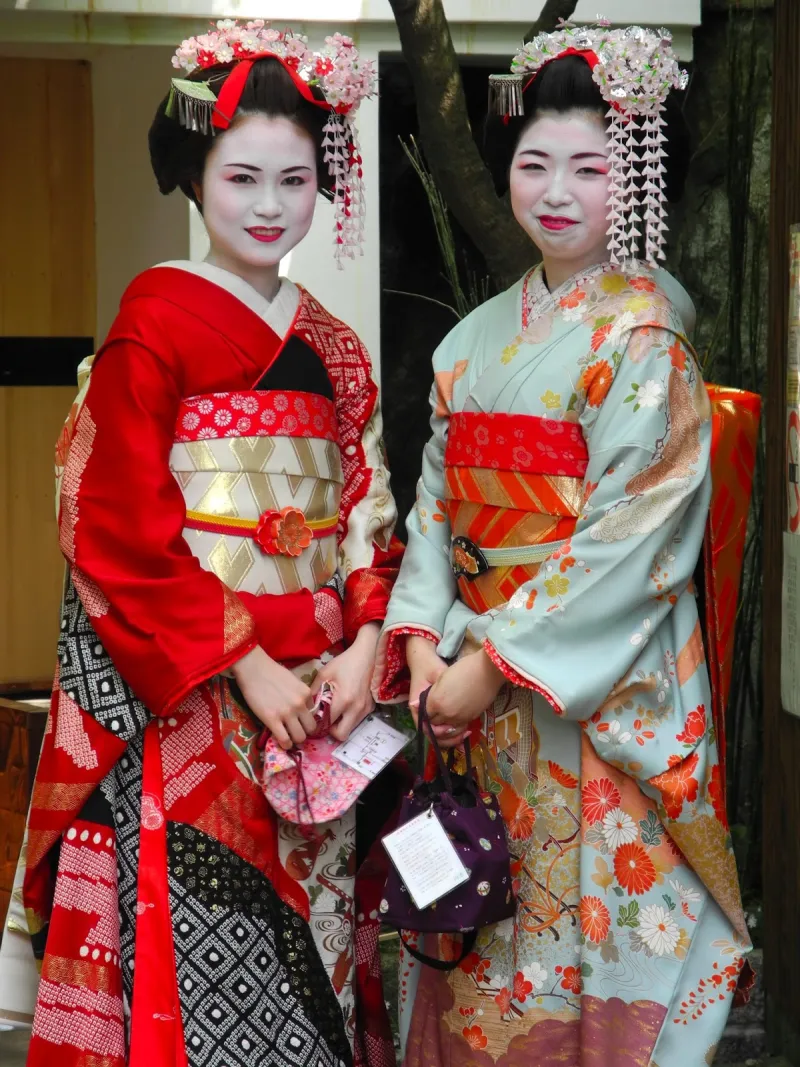
Photo: Japanese minimalist perfume bottles skincare flat lay Tokyo beauty aesthetic, via 1.bp.blogspot.com
There's an unwritten rule in Tokyo subway etiquette: your scent should not precede you into the train car. It sounds almost comically restrained to American ears — we're a culture that grew up with department store fragrance counters spraying clouds of something called "Obsession" at passing strangers. More has always been the default setting.
But spend any time immersed in Tokyo beauty culture and you start to wonder whether the Japanese approach to fragrance — personal, subtle, almost private — might actually be the more sophisticated one.
Fragrance as a Second Skin, Not a Statement
The Japanese concept of kaori (fragrance or scent) carries a different emotional weight than the Western idea of a "signature scent." Where American fragrance marketing tends to promise transformation — wear this and become someone powerful, someone magnetic, someone unforgettable — Japanese fragrance culture is more interested in complement than contrast. The goal is a scent that deepens your presence rather than replacing it.
This shows up in the types of fragrances that sell in Tokyo versus New York. Walk into Isetan's beauty floor and you'll find an almost complete absence of the big, loud Western designer fragrances that dominate Sephora shelves stateside. Instead, the emphasis falls on layerable, low-projection scents built around materials like hinoki cypress, green tea, white musk, yuzu, and rice powder — ingredients that read as clean and quietly complex rather than bold and immediate.
"Japanese consumers think about fragrance the way they think about good food," says Yuki Tanaka, a Tokyo-based fragrance consultant who has worked with several niche Japanese perfume houses. "It should be something you discover gradually, not something that hits you all at once. The best compliment you can receive is not 'what are you wearing?' but rather 'you always smell so nice' — said softly, almost as an aside."
The Psychology of Restraint
There's actually sensory science behind why the Tokyo approach works. Fragrance projection — how far a scent radiates from your body — is largely determined by the concentration of aromatic compounds and the specific materials used. High-projection fragrances are often built on synthetic musks and certain woods that radiate heat and expand in open air. They're designed to fill a room.
Low-projection fragrances, by contrast, tend to stay close to the skin. They shift with your body temperature, interact with your natural chemistry, and create what perfumers call a "skin scent" — something that smells subtly but unmistakably like you, just a more refined version. To catch the full effect, someone has to be close.
That intimacy is the point. A fragrance that only reveals itself at close range is, in a very real way, more personal than one that announces itself from across the office. It's a detail meant for people who are actually near you — not a broadcast.
The Japanese Fragrance Brands Quietly Winning in the US
Several Japanese fragrance houses have started building genuine followings among American consumers who've grown skeptical of the loud-and-proud mainstream perfume market.
Shiro (the fragrance line, distinct from the skincare brand) creates scents built around Japanese botanical ingredients — rice bran, sake lees, white musk — that feel translucent rather than dense. Their approach to packaging is as minimal as the scents themselves: clean white bottles, no unnecessary ornamentation.
Juliette Has a Gun's Japanese market exclusives and several Tokyo-developed niche houses have introduced Americans to the concept of incense-forward fragrance that draws from the Japanese kodo tradition — the centuries-old practice of appreciating incense as a meditative, sensory art. These scents tend to be woody, slightly smoky, and deeply calming rather than energizing.
Koh-do and similar artisanal houses are bringing traditional Japanese aromatic materials — oud, agarwood, cherry blossom accord — into contemporary fine fragrance formats that feel approachable rather than ceremonial.
For American consumers used to department store options, discovering these brands often feels like finding a whole register of scent that wasn't on the menu before.
Building a Tokyo-Inspired Fragrance Wardrobe
The concept of a fragrance wardrobe — multiple scents worn in rotation or in layers — is well established in Tokyo beauty culture, and it maps surprisingly well onto a minimalist framework.
The key is thinking about scent the way you think about getting dressed: in terms of occasion, mood, and layering rather than a single statement piece.
Start with a skin scent anchor. This is your base — a light, clean fragrance that sits close to the skin and works with your natural chemistry. White musk, soft woods, and rice-based accords are good starting points. Wear it every day. Let it become quietly associated with you.
Add a seasonal top layer. In summer, a yuzu or green tea fragrance worn lightly over your base adds freshness without weight. In fall and winter, something with hinoki, sandalwood, or a gentle smoke note deepens the effect. The layers should be subtle enough that most people experience them as a single, complex impression.
Reserve your statement scent for actual statements. If you love a bolder, more projecting fragrance — and plenty of people do — the Tokyo approach doesn't require abandoning it. It just suggests using it with more intention. A fragrance that turns heads is more interesting when it's not the default setting.
Rethinking What "More Noticeable" Actually Means
American fragrance culture has long equated strength with quality — the idea that a perfume you can still smell at the end of the day must be better than one that fades. But Tokyo's fragrance philosophy asks a genuinely interesting question in response: better for whom?
A scent that other people notice before you've even spoken to them is, in a sense, doing the social work before you've had a chance to. A scent that reveals itself slowly, that shifts through a day, that someone discovers rather than encounters — that's doing something more interesting.
It's a small reframe, but it changes everything about how you shop for, layer, and think about fragrance. And honestly, your commute companions will probably appreciate it too.