Less Jewelry, More Impact: The Tokyo Stylist Secret to Accessories That Actually Do the Work
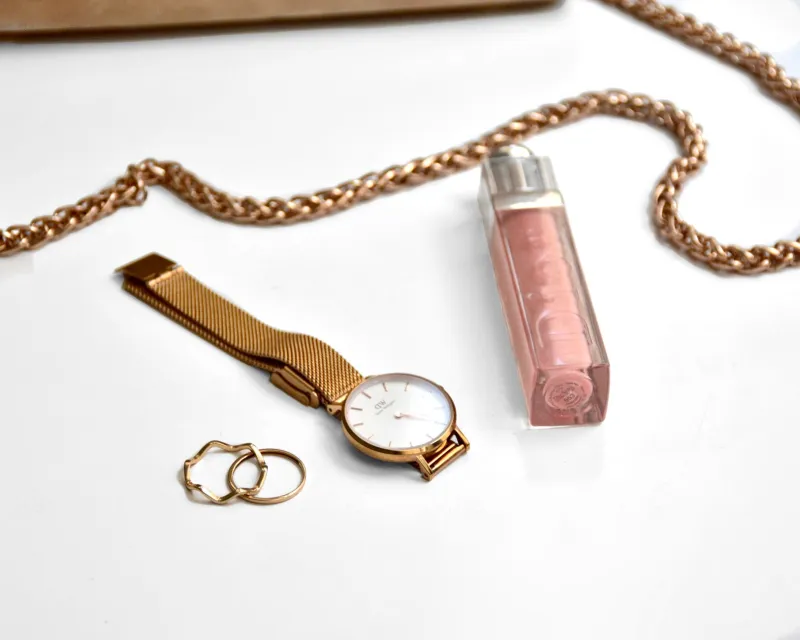
Open your jewelry box right now. Go ahead. How many of those pieces did you wear in the last three months? If you're being honest, probably a handful — maybe the same gold hoops you grab every morning, that one delicate chain that goes with everything, and a ring or two that never leaves your finger. The rest? Collecting dust, tangled, forgotten.
Here's the thing: that's not a shopping problem. That's a curation problem. And Tokyo's fashion culture has been quietly solving it for decades.
Why Tokyo Doesn't Do the Jewelry Pile
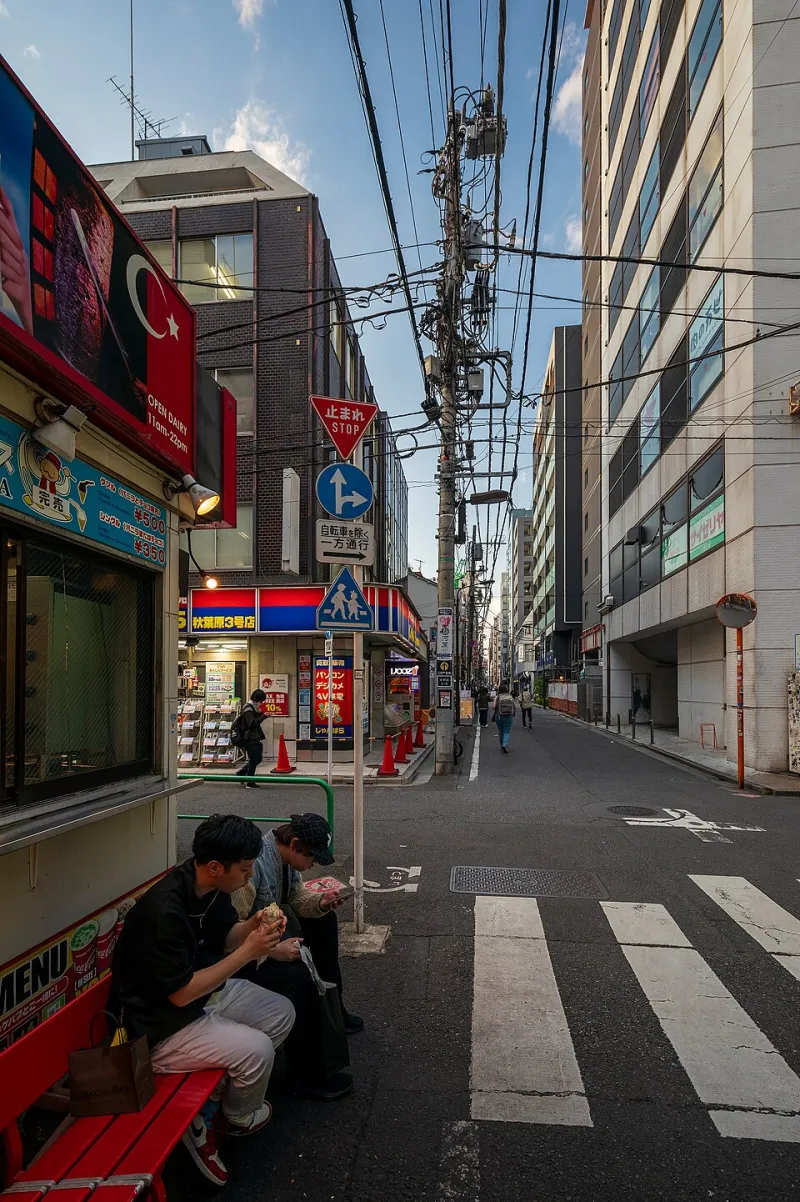
In a city where apartments are small and visual noise is actively avoided, accumulation for its own sake doesn't really fly. Tokyo style — whether you're talking about the understated cool of Daikanyama boutiques or the sharper edge of Harajuku — tends to operate on a principle of intentionality. Every piece you put on your body should be doing something. If it isn't, it probably shouldn't be there.
That philosophy extends directly to jewelry. Japanese stylists aren't anti-accessories — far from it. But they approach a necklace or a cuff the same way they'd approach a blazer: does it work with multiple outfits, across multiple seasons, without requiring a whole narrative to justify it? If the answer is yes, it earns a spot. If the answer is "well, it only really works with that one dress I wore to my cousin's wedding," it probably doesn't.
The result is a jewelry wardrobe that looks intentional rather than accumulated. Which, honestly, is the whole goal.
The Metals Tokyo Keeps Coming Back To
Walk into any Tokyo concept store and you'll notice a pattern in the accessories on display. Gold — but not flashy gold. Specifically, the kind of matte or brushed yellow gold finish that reads warm and considered rather than loud. Think demi-fine rather than costume, understated rather than statement.
Silver gets its moment too, but it tends to skew architectural — clean lines, simple forms, nothing too ornate. Oxidized silver with a slightly darkened finish has had a long run in Tokyo's more avant-garde circles because it reads artistic without trying too hard.
What you won't find dominating the conversation: anything that tarnishes fast, anything that requires a specific outfit to make sense, or anything that leans heavily on a trend that'll feel dated in eighteen months. Tokyo stylists think in terms of decades, not seasons.
Shapes That Work Harder Than They Look
If you had to distill Tokyo's preferred jewelry shapes into a few categories, they'd probably land here:
Thin hoops and small huggies. Not statement hoops — the quiet ones. The kind that work whether your hair is up or down, whether you're in a linen set or a blazer. These are the workhorses of the Tokyo ear stack.
Single pendant necklaces with clean silhouettes. A small oval, a flat disc, a simple geometric drop. Nothing fussy, nothing that clanks. The chain itself matters — a delicate cable or box chain in the 16-to-18-inch range hits a sweet spot that works with crew necks, V-necks, and open collars equally well.
Thin stacking rings. Tokyo leans into the stacking concept but keeps individual rings minimal. A plain band, a slightly textured band, maybe one with a tiny stone. The stack itself creates the visual interest — not any single ring trying to do too much on its own.
One considered cuff or bangle. Not a stack of them, just one. Worn alone on the wrist with nothing competing for attention, a well-made cuff becomes a quiet signature rather than background noise.
The "Three-Season Test" for Your Jewelry Box
Here's a practical framework borrowed from how Tokyo stylists actually think about editing their accessories. Before you decide whether a piece stays or goes, ask it three questions:
1. Can I wear this in at least three seasons? Not all four — some pieces are legitimately warm-weather or cold-weather. But if a piece only works in a very specific temperature window or with a very specific vibe, it's not earning its place.
2. Does it work with at least five things I already own? Grab your most-worn pieces — your go-to jeans, your everyday tops, your work basics — and mentally put the jewelry with each of them. If it clicks with fewer than five, it's probably a supporting character pretending to be a lead.
3. Would I still want it if I'd had it for five years? This one cuts through trend-chasing fast. If the honest answer is "probably not," that's useful information.
Pieces that pass all three questions? Those stay. The ones that fail? They're not bad jewelry — they're just not your capsule jewelry.
What a Tokyo-Inspired Jewelry Capsule Actually Looks Like
To make this concrete, here's what a stripped-down, Tokyo-influenced jewelry wardrobe might include for someone starting from scratch:
- Two pairs of small gold hoops in slightly different sizes
- One thin chain necklace (gold or silver, depending on your preference) with a small pendant
- One plain chain necklace without a pendant for layering
- Three to five thin stacking rings, a mix of plain and subtly textured
- One pair of small stud earrings for days when you want even less
- One simple cuff or bangle
That's it. Somewhere between ten and twelve pieces total. And from that small collection, you can build an enormous number of looks — because every piece was chosen to work with everything else, rather than in isolation.
The Bigger Picture
The Tokyo capsule jewelry mindset isn't really about owning less for the sake of minimalism as an aesthetic. It's about making sure that whatever you reach for in the morning actually does what you need it to do — adds something, works with what you're wearing, and doesn't require effort to justify.
When your jewelry box is full of pieces that all meet that bar, getting dressed becomes genuinely easier. You stop staring at a tangle of necklaces trying to figure out which one is "right." You just reach for something and it works, because you already did the thinking when you built the collection.
That's the Tokyo approach in a nutshell: make the decisions once, carefully, and then stop making them every single morning.