Spend Once, Wear Forever: The Tokyo Approach to Building a Wardrobe That Actually Makes Sense

Photo: minimalist Tokyo fashion woman white shirt neutral basics wardrobe, via i.pinimg.com
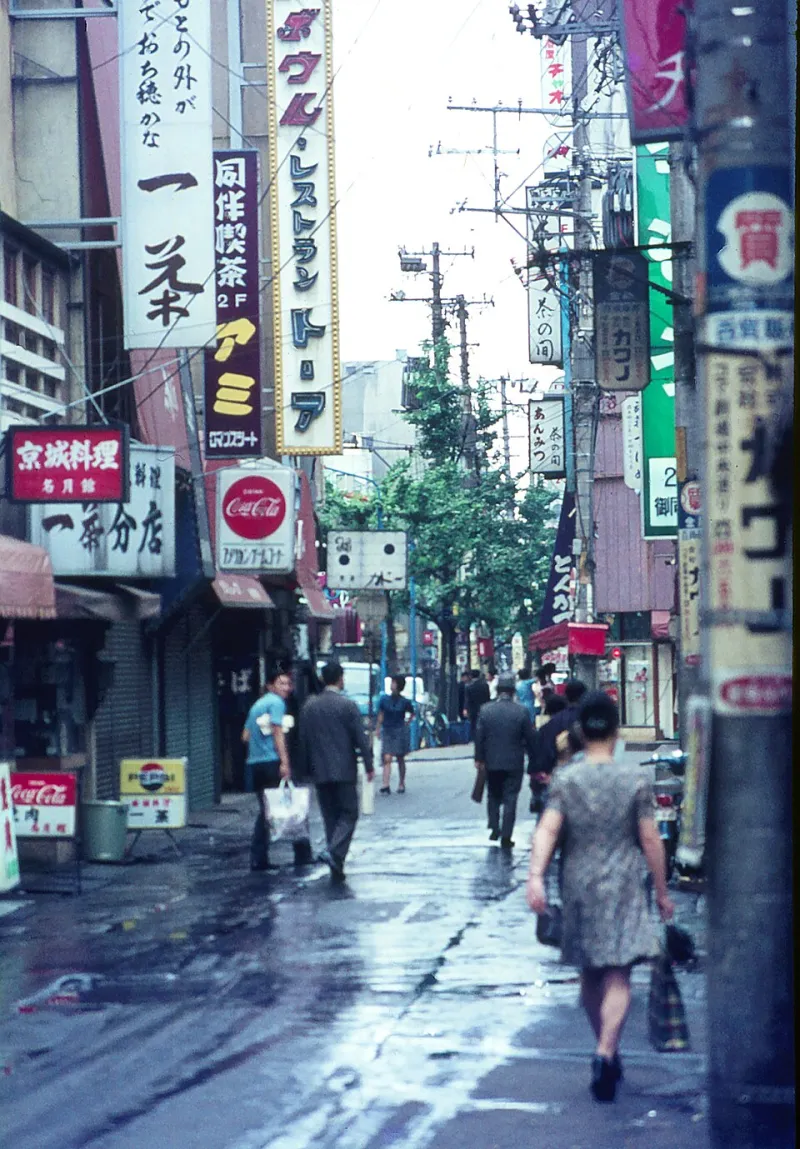
There's a particular kind of woman you notice in Tokyo. She's not draped in the latest runway moment or sporting whatever color Pantone declared important this season. Her outfit is quiet. Her tote bag is unbranded. Her white shirt is so perfectly fitted it looks like it was made specifically for her body — because, in a sense, it was. She saved up and bought the good one.
This is the invisible investment principle, and once you see it, you can't unsee it.
The Real Cost of Cheap and Trendy
Let's be honest about how most American women shop. A new season rolls in, the algorithm surfaces a hundred different "must-haves," and suddenly the cart is full of a $22 leopard-print blouse, a $35 lime-green cardigan, and a pair of jeans that were on sale but don't quite fit right. It feels like a deal. It rarely is.
Those pieces get worn twice, maybe three times, before they start to look tired — the fabric pills, the dye fades, the hem unravels. And because they were trend-driven to begin with, they look dated within a year anyway. The closet fills up. The style doesn't improve.
Tokyo's approach flips this entirely. Instead of spending across a wide range of trendy items, the investment goes deep into a small number of foundational pieces. A really good white tee. A neutral-toned merino sweater. One pair of perfectly cut dark denim. A structured coat in a color that works with everything. The math looks different upfront — but over five years, the numbers actually favor the Tokyo method by a significant margin.
What "Basics" Actually Means in Tokyo
Here's where American shoppers sometimes get tripped up: basics in the Tokyo sense aren't the same as basics in the fast-fashion sense. A $12 white tee from a discount retailer is not a basic — it's a placeholder. A true foundational piece is one that's been constructed to last, cut to flatter without trying too hard, and designed with enough restraint that it never looks like it belongs to a specific era.
Tokyo women tend to gravitate toward:
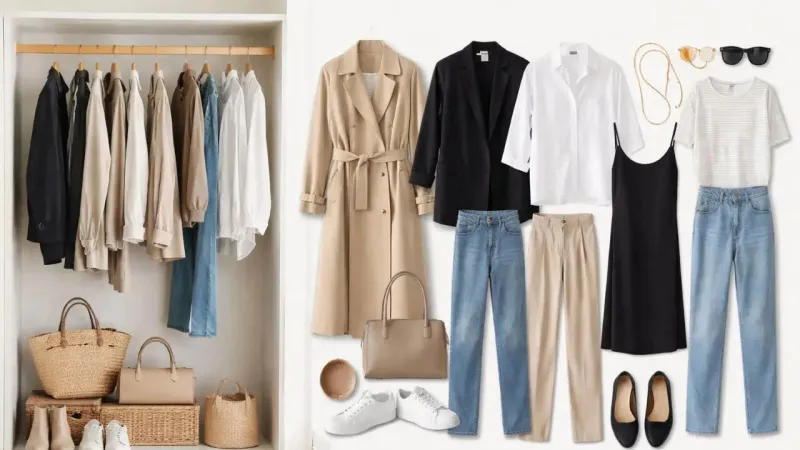
- White and off-white shirts in high-quality cotton or a cotton-linen blend, with clean stitching and a fit that works tucked or untucked
- Neutral knitwear — think oatmeal, ivory, soft grey, and camel — in materials like merino wool or a cashmere blend that hold their shape after washing
- Dark or mid-wash denim with a straight or slightly tapered leg that doesn't scream any particular decade
- Simple trousers in black, navy, or a warm tan, with a cut that reads polished but not stiff
- One or two outer layers — a trench, a structured blazer, or a minimal wool coat — that anchor any outfit immediately
None of these items are flashy. None of them will get you a compliment along the lines of "oh wow, where is that from?" But they will get you consistent, effortless style that holds up on a Tuesday morning and a Saturday dinner equally well.
The Psychological Shift That Makes It Work
Adopting this approach isn't just about changing what you buy — it requires changing how you think about clothing altogether. American shopping culture is deeply tied to novelty. There's a dopamine hit that comes with something new, something seasonal, something that feels like a fresh start. That feeling is real. It's also expensive and short-lived.
Tokyo's wardrobe philosophy asks you to find satisfaction in a different place: in the way a well-made piece moves with your body, in the ease of getting dressed when everything in your closet actually works together, in the slow accumulation of things you genuinely love rather than things you tolerated until something better came along.
One useful reframe: instead of thinking "this sweater costs $180," think "this sweater costs $18 a year if I wear it for a decade." A fast-fashion version at $40 that you replace every two years costs more in the long run — and creates a lot more waste in the process.
How to Start Without Overhauling Everything at Once
You don't need to throw out your entire wardrobe and start fresh. That's actually a very un-Tokyo move — waste is not part of the philosophy. Instead, the shift happens gradually, piece by piece, as things wear out and get replaced.
When something in your closet reaches the end of its life, that's your opportunity. Before you replace it reflexively with whatever's on sale, pause and ask: what would the best version of this piece look like? What material, what fit, what brand reputation? Then save for it if you need to, and buy it once.
A few practical starting points for US shoppers:
Audit what you actually reach for. Most people wear about 20% of their wardrobe 80% of the time. Those go-to pieces are probably already close to basics — notice what they have in common.
Identify your gaps. Is there a neutral layer you're always wishing you had? A bottom that works with everything? Start your investment list there.
Research before you buy. Tokyo shoppers tend to spend real time evaluating quality before purchasing. Read reviews, check fabric content, look at how a brand's pieces hold up over time. This is not the mindset of someone scrolling a flash sale at midnight.
Resist the trend bait. This is the hardest part for most people. When a new color or silhouette is everywhere, it takes real discipline to ask "will I still want this in three years?" and answer honestly.
The Quiet Confidence That Comes With It
There's something that happens when your wardrobe is built on quality rather than volume. Getting dressed stops being a negotiation between a dozen mediocre options and becomes something almost effortless. You know what you have. You know it fits. You know it works.
That ease is visible. It's part of why Tokyo style reads as so quietly confident — it's not that these women are wearing anything particularly bold or attention-grabbing. It's that they look completely settled in what they have on, because they chose it carefully and they trust it completely.
That's the invisible investment paying off. Not in compliments about a specific piece, but in an overall impression of someone who simply has their act together.
And honestly? That's worth a lot more than a closet full of trends you're already tired of.