Stack It Right: Tokyo's Climate-Proof Layering Tricks That Make Every American Season Work for You
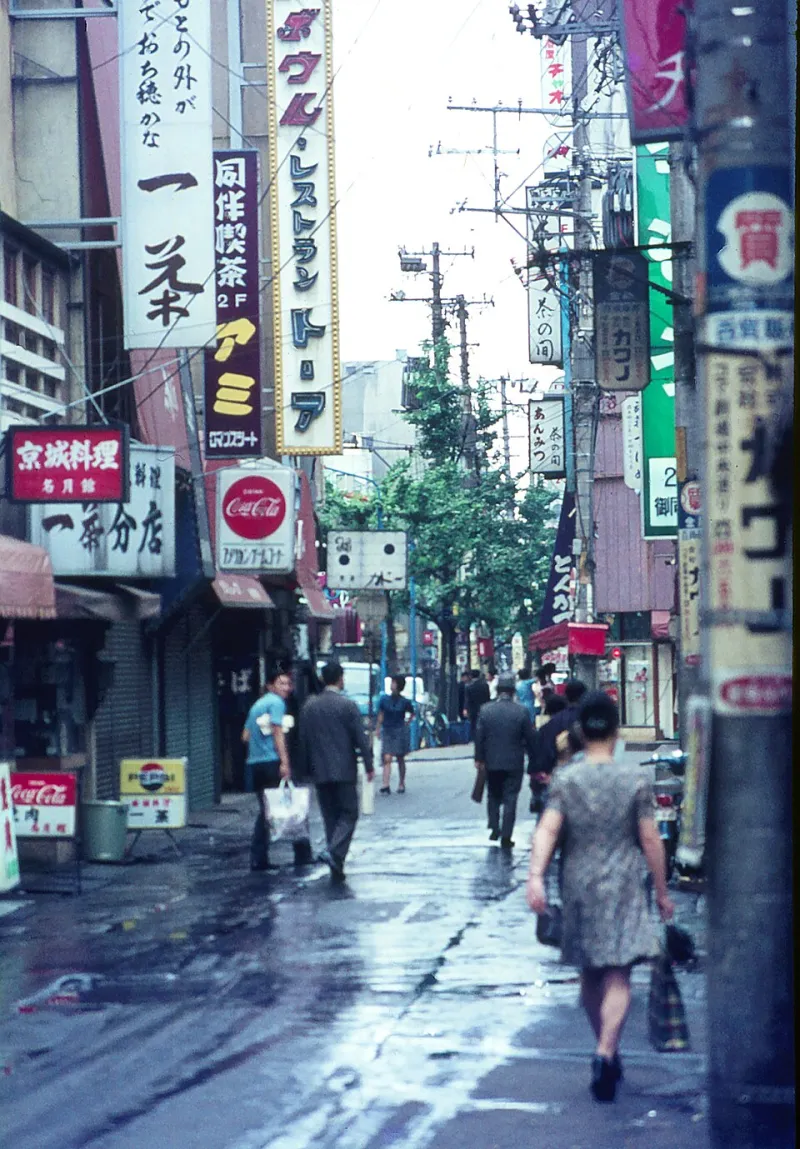
Photo: wilford peloquin, CC BY 2.0, via Wikimedia Commons
Every fall and spring, millions of Americans open their closets and feel completely stuck. It's not quite cold enough for a coat, not quite warm enough for just a tee, and somehow everything in between looks either sloppy or overdressed. Sound familiar?
Tokyo residents have been quietly solving this exact problem for decades. The city's notoriously unpredictable weather—humid summers, damp winters, and transitional seasons that can swing 20 degrees in a single day—has turned its fashion community into layering specialists. And the results are genuinely worth stealing.
This isn't about wearing more clothes. It's about wearing smarter ones.
Why Tokyo Layering Looks Different
The first thing to understand is that Japanese fashion culture treats layering as a design element, not a survival tactic. Where most Americans reach for a hoodie under a puffer and call it done, Tokyo stylists are thinking about proportion, texture contrast, and visual weight.
The goal is an outfit that looks intentional at every temperature. Shed the outer layer, and what's underneath still makes sense. Add it back, and nothing gets lost in the bulk. That balance is the whole game.
It also helps that Tokyo's fashion market has spent years developing pieces specifically engineered for layering—slim-cut base layers, structured mid-layers that hold their shape, and outer pieces designed to sit cleanly over them. The good news is you don't need to replace your whole wardrobe. You need to rethink how you're using what you already own.
The Three-Zone Formula
Tokyo stylists essentially work with three zones when building a layered look:
Zone 1: The Foundation This is whatever sits closest to your body—a fitted long-sleeve tee, a thin ribbed turtleneck, a lightweight camisole. The key word here is fitted. Foundation pieces should lie flat and smooth, because every layer on top will reflect whatever shape is underneath. Baggy base layers are where layered outfits start going wrong.
Zone 2: The Interest Layer This is the piece that does the heavy aesthetic lifting—a slightly oversized linen shirt worn open, a cropped knit vest, a tailored blazer. This layer is where texture, color, and structure come in. Tokyo styling tends to favor pieces that have some visual personality here: a subtle pattern, an unexpected fabric, or an interesting cut.
Zone 3: The Outer Shell The outermost layer should be the cleanest silhouette of the three. Tokyo's preference runs toward long coats, structured trenches, or simple zip-up jackets—pieces that don't compete with what's happening underneath. Think of it as a frame, not the painting.
What makes this formula work is that you can remove Zone 3 and still have a complete outfit. Remove Zone 2 and you're left with a casual but polished base. That flexibility is the whole point.
Proportions Are Everything
One of the most common American layering mistakes is pairing oversized with oversized. Two billowy pieces stacked together don't read as intentional—they read as laundry day. Tokyo's approach is almost always about contrast: fitted base, slightly looser middle, clean outer.
Here's a practical breakdown:
- Slim pants + longline coat = the outer piece does the drama, the bottom stays crisp
- Wide-leg trousers + tucked-in fitted knit + cropped jacket = the volume lives in one zone only
- Straight-leg jeans + oversized button-down + sleek vest = three distinct layers that don't fight each other
The rule of thumb Tokyo stylists use is this: let one piece own the volume, and keep everything else streamlined.
Fabric Matters More Than You Think
In Tokyo's layering culture, fabric selection is almost as important as silhouette. Certain materials naturally cooperate—they lie flat, don't add visual bulk, and move with the body instead of against it. Others create friction (literally and visually).
Fabrics that layer beautifully:
- Fine merino wool or wool blends
- Cotton jersey
- Lightweight woven cotton or linen
- Smooth satin or silk for an unexpected texture pop
Fabrics to use sparingly in the middle zones:
- Heavy fleece
- Thick cable knit (great as a statement piece, not a mid-layer)
- Anything with a lot of surface texture that catches on other fabrics
A thin turtleneck under a blazer under a trench coat can look incredibly refined because the fabrics cooperate. A chunky sweater under a structured blazer tends to look lumpy because they're fighting for space.
Solving the American Transitional Season Problem
Spring and fall in the US are notoriously hard to dress for—partly because American fashion culture tends to think in seasonal extremes. Summer clothes, then winter clothes. The in-between gets awkward.
Tokyo's solution is essentially to stop thinking in seasons and start thinking in temperature ranges. A good layered outfit isn't a fall outfit or a spring outfit—it's a 50-to-65-degree outfit. Build for the range, not the calendar.
A few Tokyo-inspired formulas that work across American transitional seasons:
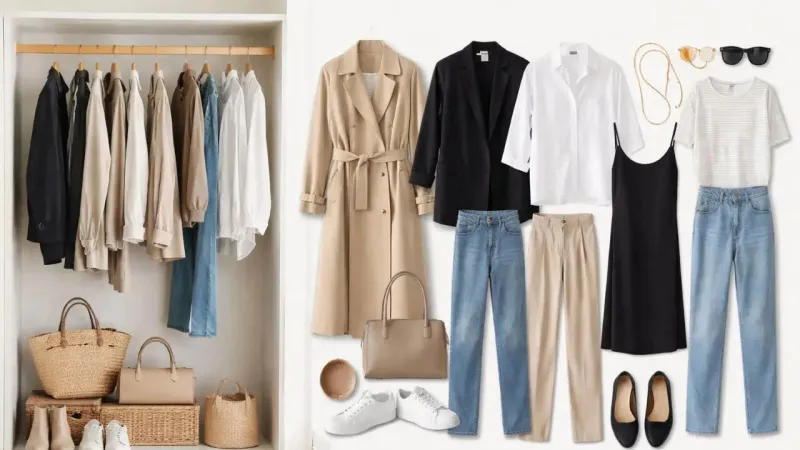
The Office-Ready Transition Look: Fitted mock-neck tee + straight-leg trousers + longline blazer + structured tote. Warm enough for a chilly morning commute, professional enough to lose the blazer indoors.
The Weekend Errand Stack: Ribbed tank + loose linen button-down (worn open) + high-waist wide-leg pants + clean sneakers. This works in 60-degree weather and looks put-together without trying too hard.
The Evening Shift: Thin slip dress + fitted long-sleeve tee underneath + leather or faux-leather jacket. This particular combination is a Tokyo staple for good reason—it works in spring, fall, and even mild winter evenings.
Color Logic That Makes Layers Look Intentional
Tokyo's color approach to layering tends toward tonal dressing—building a look within one color family rather than mixing several. It's one of the easiest ways to make a layered outfit look deliberate instead of accidental.
Try this: pick a neutral anchor (camel, ivory, grey, navy) and build all three zones within that palette. Varying the shade and texture within a single color family creates depth without chaos. It's the reason so many Tokyo street style photos look effortlessly chic even when the person is wearing four separate pieces.
If you want to introduce a second color, keep it to one zone only—usually the interest layer—and let the rest stay neutral.
Start With What You Have
You don't need to buy anything new to try this. Go through your closet and pull out your three thinnest, most fitted tops. Those are your foundations. Find your most interesting mid-weight pieces—the ones with a bit of personality. Those are your interest layers. And identify your cleanest, least-bulky outer pieces.
Now start mixing. You'll probably find combinations you've never tried before, and you'll almost certainly solve that fall morning problem—the one where nothing feels right—without spending a cent.
That's the Tokyo approach in a nutshell: less about what you own, more about how you put it together.